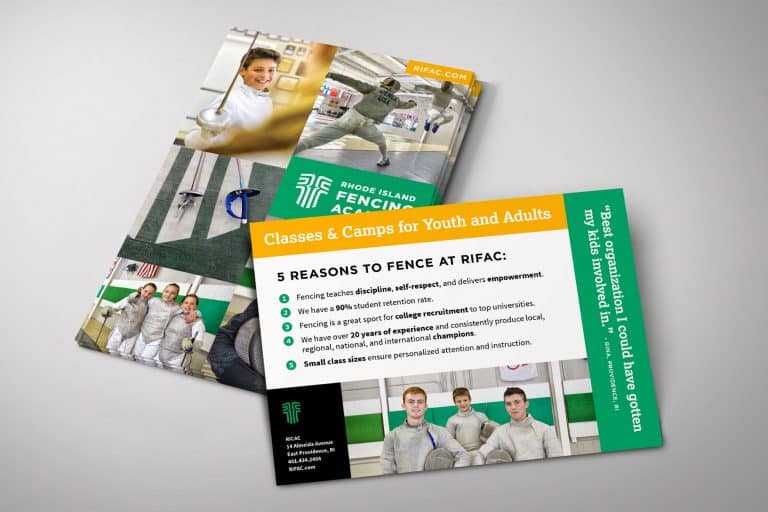
Laura Sorensen: I’m a multimedia brand developer located in Cranston, Rhode Island (RI) and Providence, Rhode Island (RI) who does logo design, branding, web design, web development and WordPress, print and digital marketing, and advertising and marketing.
I turn businesses (like yours) into powerful visual stories.
Is your brand unfocused and cluttered? Let’s bring it into sharp focus so you can stand out from the competition, be understood, and be loved by your customers.
 Get a logo that reflects your value
 A website that attracts the right clients
 Visual marketing that inspires loyalty
Laura Sorensen: I’m a multimedia brand developer located in Cranston, Rhode Island (RI) and Providence, Rhode Island (RI) who does logo design, branding, web design, web development and WordPress, print and digital marketing, and advertising and marketing.
I turn businesses (like yours) into powerful visual stories.
Is your brand unfocused and cluttered? Let’s bring it into sharp focus so you can stand out from the competition, be understood, and be loved by your customers.
Get a logo that reflects your value
A website that attracts the right clients
Visual marketing that inspires loyalty
I turn businesses (like yours) into powerful visual stories.
Is your brand unfocused and cluttered? Let’s bring it into sharp focus so you can stand out from the competition and be loved by your customers.
Get a logo that reflects your value
A website that attracts the right clients
Visual marketing that inspires loyalty
design that brings true value


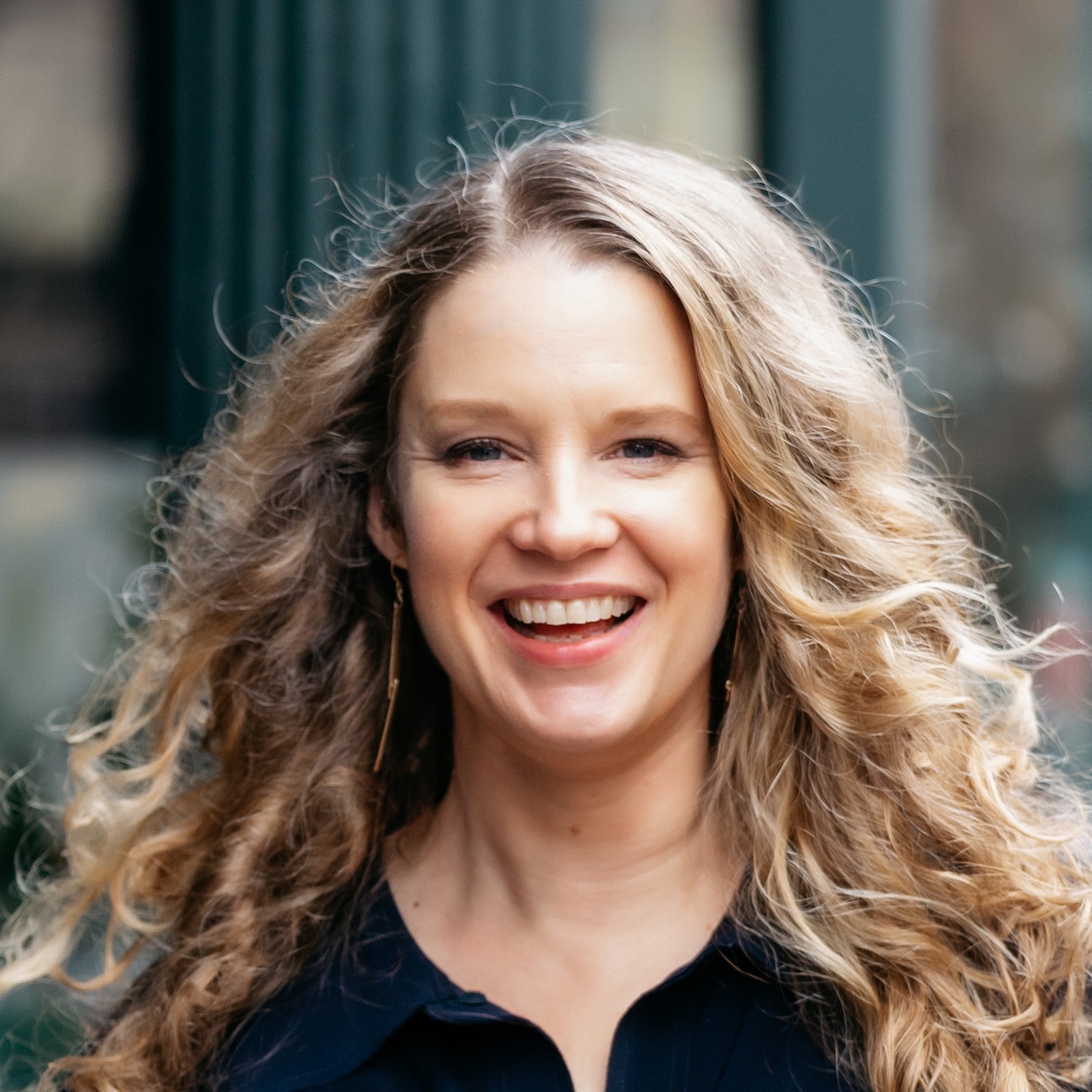
Hi, I’m Laura Sorensen, Design Doctor at Atelier LKS.
(What’s that funky name mean? See below.)
I’m a Design Doctor and Multimedia Brand Developer. I work with marketing teams and indie consultants to galvanize their brand and weaponize their visual marketing so they can articulate their value, stand out from the competition, and change more lives.
Imagine feeling:
- Confident that you stand head-and-shoulders above the competition
- Free from frustration in making your brand more effective
- Proud that your website looks professional and attracts the right clients
- Empowered to charge what you’re worth because your brand reflects your value
I can help with:
- Branding strategy & logo design
- Web design & development
- Print & digital marketing, advertising
- Business card & letterhead design
- Good ol’ design advice!
If you’re overwhelmed by the idea of branding 😫 and know you need an expert, you’re in the right place.
Whatever your business is, I want to help generate desire for what you’re selling.
Oh, and in case you don’t parlez le Français (no judgment here), atelier is French for studio. And LKS? They’re my initials.
Meet your Strategic Design Partner
clients I’ve worked with

Want a brand that reflects your value?
FYI, I'm usually booked at least a month out for web design and a couple weeks out for branding projects. I'll be available for new project work .
from my blog


from instagram
Want to build a brand that people trust? I`ve recently penned some insights on a topic I think could benefit you: designing for trust in the marketplace.
Whether you`re a seasoned marketer or just starting out, these insights will help you think like a designer and score a branding win in today`s competitive landscape.
(You`ll also meet my friend Nick who I`ve worked with on a couple of trust ventures - he`s a cool chap. You should totally check out his blog: https://culturecraft.ghost.io )
http://atelierlks.com/they-decide-with-their-eyes

I`m back in the ring with fresh insights on the pulse of brand brilliance! 🚀✨
This time, I`m exploring 3 ways a Creative Director drills down into Brand Brilliance - unveiling the art of crafting an unforgettable brand:
🔍 Dive into the brilliance, my friends: https://atelierlks.com/creative-director-brilliance
Celebrating the culmination of a transformative 3-month pitch coaching journey with my stellar colleagues at @giantshoulders: Tino Chow, Mike Valdes, and John Bates.
Grateful to have worked with incredible Japanese entrepreneurs in biotech and healthcare, including James Grosvenor from Anaut, Junichi Kushioka from Ayumo, Daisuke Tanaka from Any-Edge, Rudder Wu from Thermalytica, Yuji Hara from AI SILK Corporation, Tomoyuki Koide from Tsubame BHB, Yuki Nono from FingerVision, and Yoshihiko Saito from Elephantech.
Your dedication and innovation are shaping the future, and it`s been a pleasure amplifying your stories! 🚀
🔥 Ditch Tradition: Fractional Creative Magic! 🔮
You can get measurable results with a strategic brand design plan (and you don`t need an expensive agency or full-time creative director to do it!)
But how? I`ll tell you.
A fractional creative director (like me) can help your team move FASTER, is COST-EFFECTIVE, and STRESS-FREE.
I`m here to harmonize and maximize your brand`s impact across all platforms. I`ve got you covered whether it`s your website, social media, or marketing materials. Together, we`ll create a consistent and powerful brand presence that captivates your audience.
🌟 Ready to redefine creativity? Let`s talk and leave boring behind!
Serious mojo happens when marketing and design work together.
As a Fractional Creative Director, I`ve witnessed the awesome business impact when marketing and design teams harmonize their work. Harmony that translates into faster time to market, premium pricing, and a smoother ride.
1️⃣ - Bridge the gap between design and marketing through a cohesive visual language in all your touchpoints: web, social, trade shows, and offline materials.
2️⃣ - Collaboration between design and marketing is key. Effective cooperation will transform marketing goals into impactful design assets.
3️⃣ - Start by establishing clear goals and open communication. Everyone does their best work in a collaborative environment.
4️⃣ - Embrace data-driven decision-making. If marketing leaders and creative directors have a shared understanding of performance, they can reach quicker decisions on optimizing campaigns. This ultimately drives revenue growth.
5️⃣ - By fostering a partnership, collaboration, and leveraging each other`s strengths, marketing leaders and creative directors can work together to drive revenue and position the business for long-term success.
When we bridge the gap between these two crucial disciplines, magic happens.
Let`s get to work, people! 💪
Delegate like a boss. 🥷🏿🥷🏻🥷🏾🥷🏼🥷🏽
Unleash your inner productivity ninja.
Delegating work isn`t just about sharing responsibilities – it`s about reclaiming your time and sanity, and boosting your productivity. When you take the plunge and delegate, you unlock your true potential as a leader.
Let`s redefine productivity together. 💪 https://brandharmony.pro/
🦞🦞🦞 A great lobster roll builds trust.
Craving a tasty lobster roll from Maine now?
Hiring a fractional creative director to build trust in your marketplace is like finding the perfect balance of Old Bay seasoning for your (lobster roll) brand.
(That’s my personal spice fave for the tastiest lobster roll, btw.)
Just as the lobster roll represents the authentic flavors of Maine (where I happen to be on vacation right now), a skilled creative director adds a pinch of innovation and storytelling to spice up your company`s image so you can build trust A) more quickly and 😎 effectively.
So, indulge in the Maine experience and let a creative maestro (that’s me) craft a brand that leaves a lasting impression - no bib required!
Start chowing down now (link in bio)
videos
from my blog

from instagram
Want to build a brand that people trust? I`ve recently penned some insights on a topic I think could benefit you: designing for trust in the marketplace.
Whether you`re a seasoned marketer or just starting out, these insights will help you think like a designer and score a branding win in today`s competitive landscape.
(You`ll also meet my friend Nick who I`ve worked with on a couple of trust ventures - he`s a cool chap. You should totally check out his blog: https://culturecraft.ghost.io )
http://atelierlks.com/they-decide-with-their-eyes
I`m back in the ring with fresh insights on the pulse of brand brilliance! 🚀✨
This time, I`m exploring 3 ways a Creative Director drills down into Brand Brilliance - unveiling the art of crafting an unforgettable brand:
🔍 Dive into the brilliance, my friends: https://atelierlks.com/creative-director-brilliance
Celebrating the culmination of a transformative 3-month pitch coaching journey with my stellar colleagues at @giantshoulders: Tino Chow, Mike Valdes, and John Bates.
Grateful to have worked with incredible Japanese entrepreneurs in biotech and healthcare, including James Grosvenor from Anaut, Junichi Kushioka from Ayumo, Daisuke Tanaka from Any-Edge, Rudder Wu from Thermalytica, Yuji Hara from AI SILK Corporation, Tomoyuki Koide from Tsubame BHB, Yuki Nono from FingerVision, and Yoshihiko Saito from Elephantech.
Your dedication and innovation are shaping the future, and it`s been a pleasure amplifying your stories! 🚀
🔥 Ditch Tradition: Fractional Creative Magic! 🔮
You can get measurable results with a strategic brand design plan (and you don`t need an expensive agency or full-time creative director to do it!)
But how? I`ll tell you.
A fractional creative director (like me) can help your team move FASTER, is COST-EFFECTIVE, and STRESS-FREE.
I`m here to harmonize and maximize your brand`s impact across all platforms. I`ve got you covered whether it`s your website, social media, or marketing materials. Together, we`ll create a consistent and powerful brand presence that captivates your audience.
🌟 Ready to redefine creativity? Let`s talk and leave boring behind!
Serious mojo happens when marketing and design work together.
As a Fractional Creative Director, I`ve witnessed the awesome business impact when marketing and design teams harmonize their work. Harmony that translates into faster time to market, premium pricing, and a smoother ride.
1️⃣ - Bridge the gap between design and marketing through a cohesive visual language in all your touchpoints: web, social, trade shows, and offline materials.
2️⃣ - Collaboration between design and marketing is key. Effective cooperation will transform marketing goals into impactful design assets.
3️⃣ - Start by establishing clear goals and open communication. Everyone does their best work in a collaborative environment.
4️⃣ - Embrace data-driven decision-making. If marketing leaders and creative directors have a shared understanding of performance, they can reach quicker decisions on optimizing campaigns. This ultimately drives revenue growth.
5️⃣ - By fostering a partnership, collaboration, and leveraging each other`s strengths, marketing leaders and creative directors can work together to drive revenue and position the business for long-term success.
When we bridge the gap between these two crucial disciplines, magic happens.
Let`s get to work, people! 💪
Delegate like a boss. 🥷🏿🥷🏻🥷🏾🥷🏼🥷🏽
Unleash your inner productivity ninja.
Delegating work isn`t just about sharing responsibilities – it`s about reclaiming your time and sanity, and boosting your productivity. When you take the plunge and delegate, you unlock your true potential as a leader.
Let`s redefine productivity together. 💪 https://brandharmony.pro/
🦞🦞🦞 A great lobster roll builds trust.
Craving a tasty lobster roll from Maine now?
Hiring a fractional creative director to build trust in your marketplace is like finding the perfect balance of Old Bay seasoning for your (lobster roll) brand.
(That’s my personal spice fave for the tastiest lobster roll, btw.)
Just as the lobster roll represents the authentic flavors of Maine (where I happen to be on vacation right now), a skilled creative director adds a pinch of innovation and storytelling to spice up your company`s image so you can build trust A) more quickly and 😎 effectively.
So, indulge in the Maine experience and let a creative maestro (that’s me) craft a brand that leaves a lasting impression - no bib required!
Start chowing down now (link in bio)